Thickening agents are a type of ingredient used in cooking whose purpose is to help make foods become thick. Have you ever considered how sauces, soups and puddings get thick? This is where thickening agents are your friend! We will cover the role of thickeners in food preparation, their science, how to choose the appropriate thickener for a given recipe, general categories of thickeners and their uses, and tips for use in cooking.
Thickening agents are the fairy godmothers of runny liquors, transforming them into thick, smooth, green magic. They're like kitchen backers that go unknown and who make our favorite foods taste even better! Without thickeners, our food would be a watered-down and flavorless mess of mush.
Thickening agents do their magic by reacting with the other ingredients in a recipe. They catch liquid molecules, and that causes the mixture to get thicker. Some thickeners, such as starches and gums, absorb water and swell to form a gel. Others, such as eggs and cheese, have proteins that coagulate and help the mixture thicken. It’s like a little science experiment unfolding before your eyes, in your kitchen!
The correct thickening agent is the make or break in your dish. Some thickening agents are better suited for certain recipes so be careful what you choose. For example, cornstarch is perfect for thickening sauces and gravies or gelatin works perfect to set desserts like the jello. Choose your thickener according to the flavor and texture profile you hope to reach in your dish.

Stick to the recipe: When you’re using a thickening, don’t mess with quantity, and the instruction on the recipe card when you want the desired thickness.

Allow time for things to thicken up: Some thickeners, such as flour and cornstarch, take a while to become viscous. Let your dish stew or chill before serving.
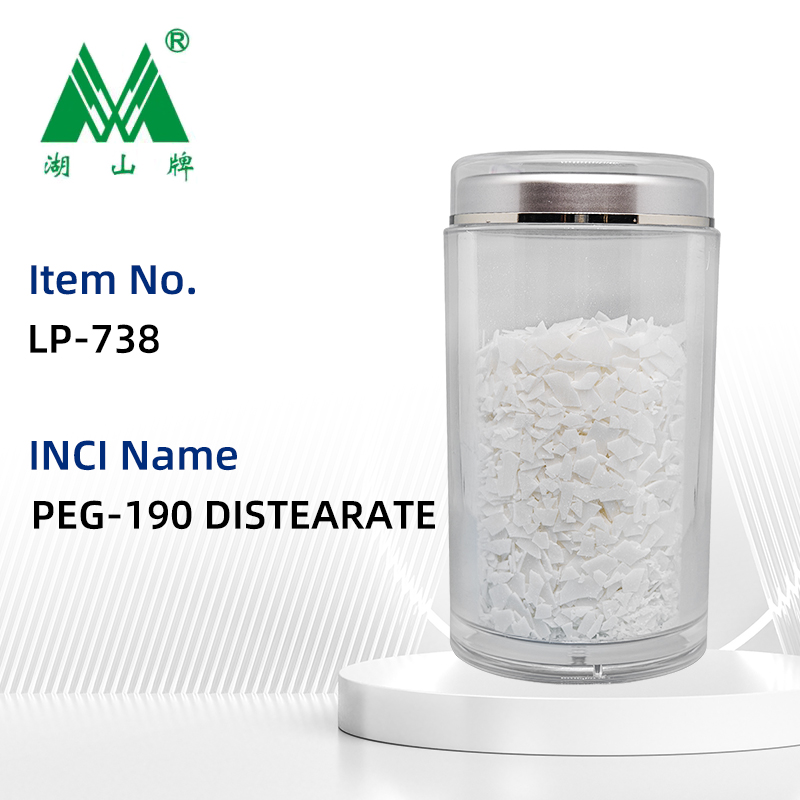
— Take it from the test kitchen: There are no rules here: Don’t be afraid to experiment to find out which thickeners work best for your recipes. You might find new textures or flavors along the way!

We specialize in the production of daily chemical detergent raw materials, including raw materials for shampoo, shower gel, facial cleanser and detergent.
Industrial Avenue, Deqing Industrial Park, Deding County, Zhaoqing City, Guangdong Province, China
Copyright © Zhaoqing Liangpeng Biotechnology Co.,Ltd. All Rights Reserved. Privacy Policy Blog
 EN
EN