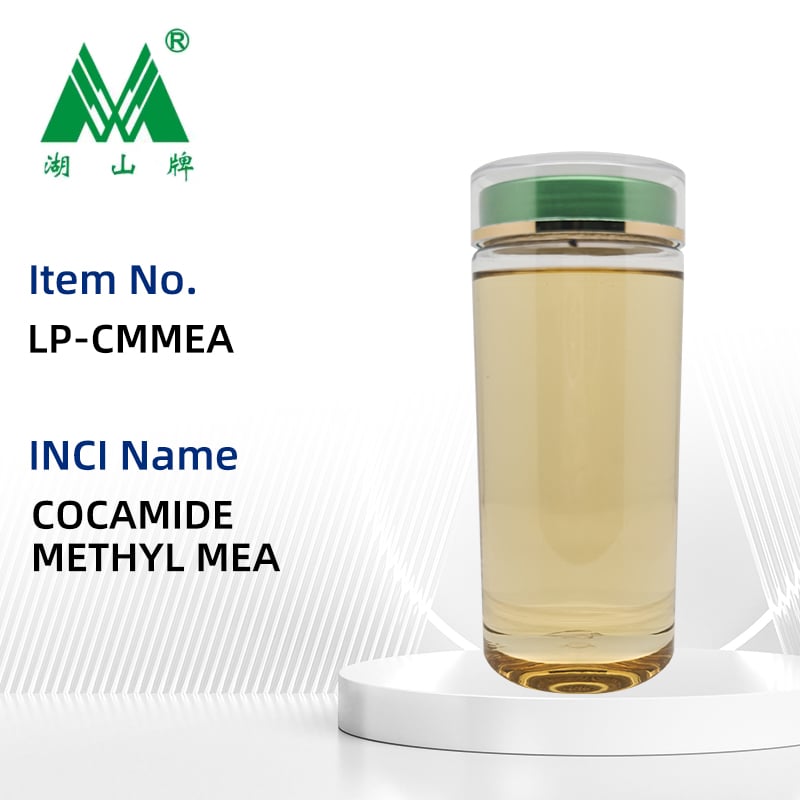
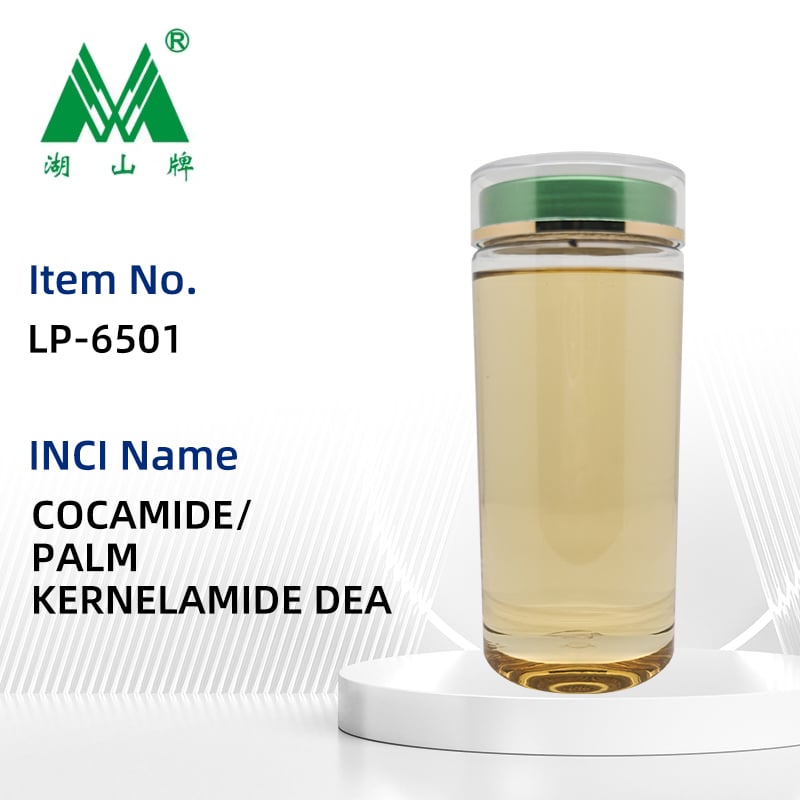
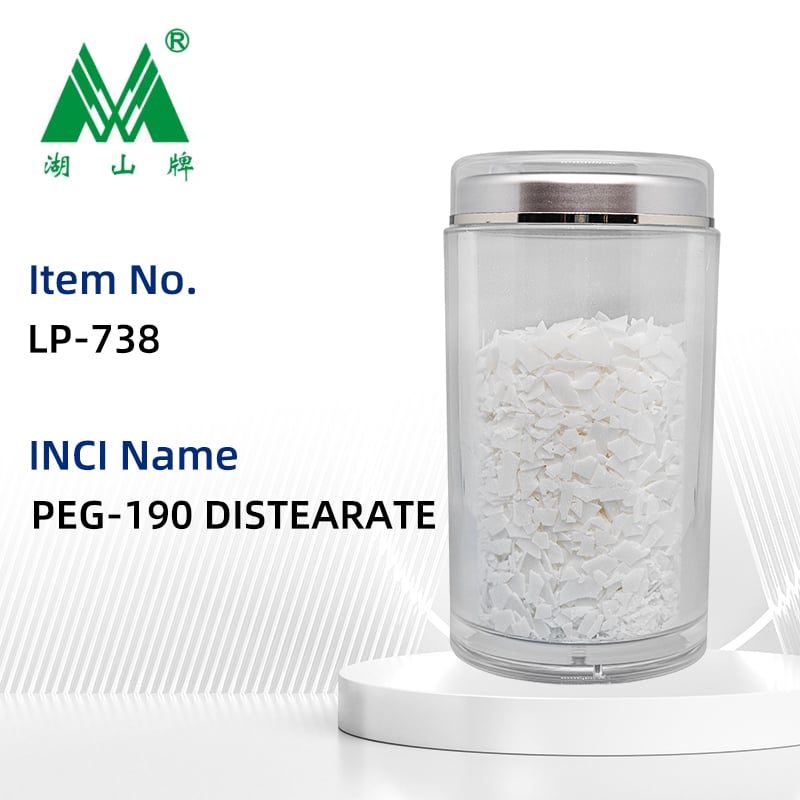
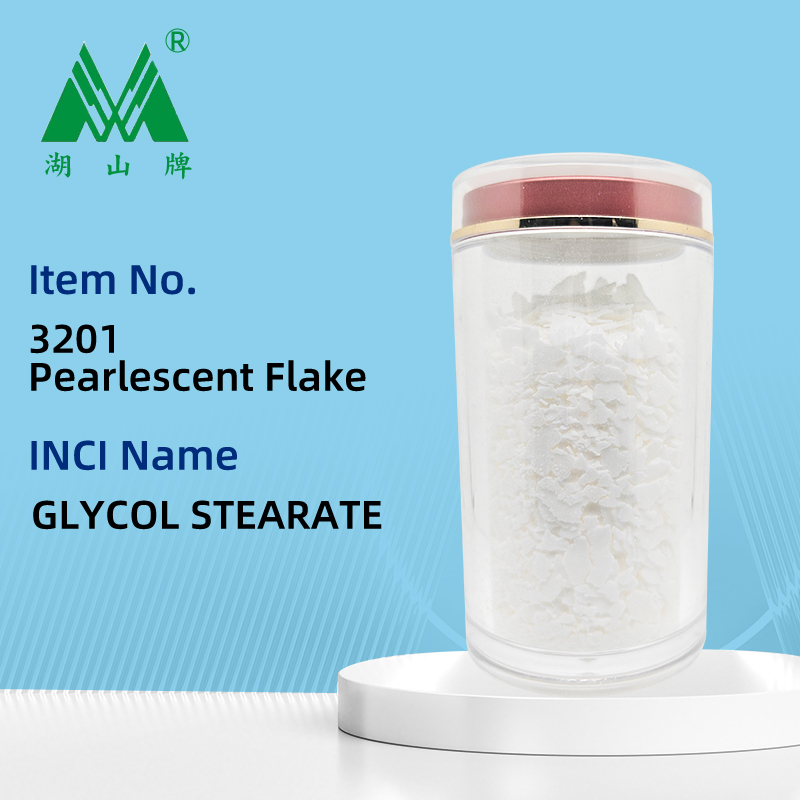
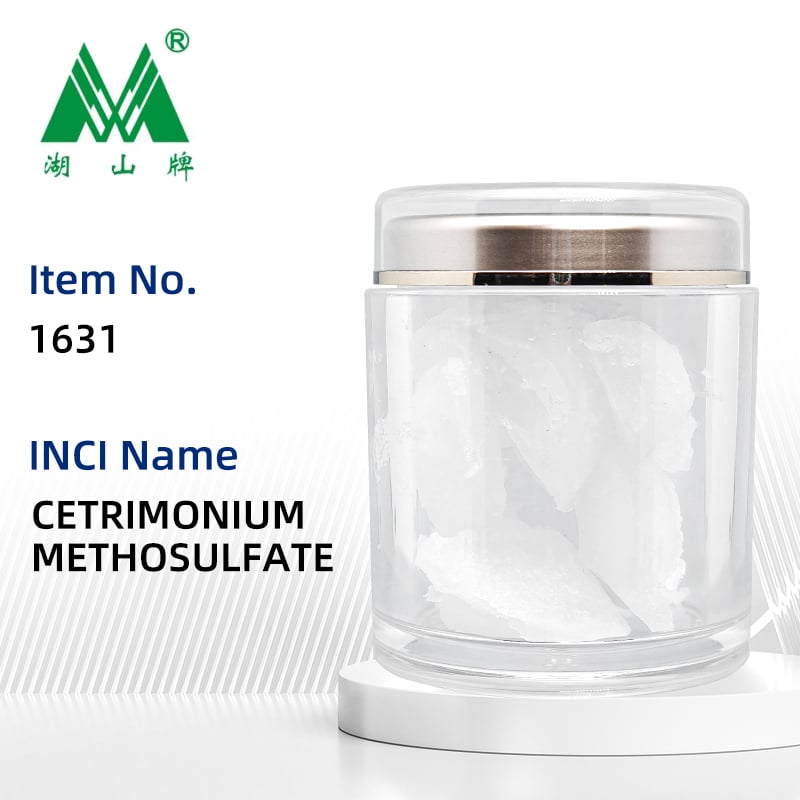
Liquid emulsifiers are a kind of special ingredient used to marry liquids that don’t traditionally come together, like oil and water. They are the magic helpers for preparing food items, cosmetics, and so on
Liquid emulsifiers are so important to the food we eat every day. Do you ever wonder why mayonnaise is so nice and creamy? The magic of liquid emulsifiers, who knew! They assist in emulsifying oil and water, so instead of the ingredients in mayonnaise separating, they blend. We also use a liquid emulsifier in salad dressings, ice cream, and even in chocolate to make it silky smooth and delicious!
Emulsifying liquids and stabilizing them in suspension might sound complicated, but here’s a secret: It’s easy! Liangpeng best conditioner for dry hair are very small objects that are both attracted to water and oil. Mixed together, the liquid emulsifier parts form a protective barrier around minuscule drops of oil in water, or water in oil. This step helps to prevent the liquids from separating and creates a stable emulsion. This is how things like lotion, shampoo and even medicine are produced!
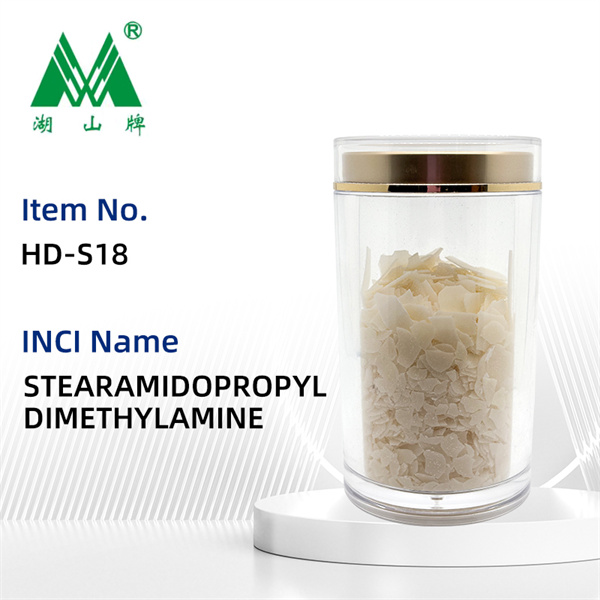
Liangpeng potassium laurate aren’t just for food — we use them for emulsion-based cosmetics as well, such as moisturizing creams and lotions. They aid the blending of water and oils to form smooth and creamy products that are easy to apply to your skin. They also bind ingredients so they don’t leave makeup in layers. So when you next apply lotion or lip balm, think kindly on the liquid emulsifier that helped to bring it to you!
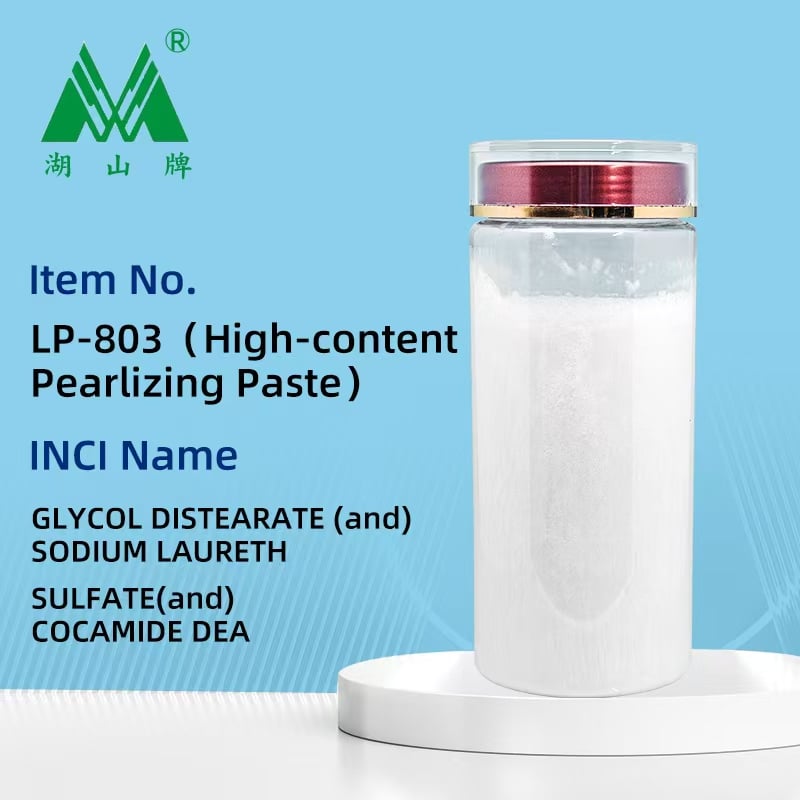
It’s crucial to select the correct Liangpeng glycol distearate for the job, to ensure your batch turns out just right. Various liquid emulsifiers perform better with various ingredients, so it’s important to choose one that provides the texture and stability you want. Some work best with thick creams, while others are ideal for the lightest lotions. Be sure to read the labels and to do some testing to find what works best for what you’re making!
In addition to food and cosmetics, liquid emulsifiers are used in industry to produce items like paints, adhesives and cleaning products. They mix various ingredients that would otherwise separate, which means they can make more consistent, higher-quality products. They also enhance texture, appearance, and shelf life of commercial products, which become more durable and functional.

We specialize in the production of daily chemical detergent raw materials, including raw materials for shampoo, shower gel, facial cleanser and detergent.
Industrial Avenue, Deqing Industrial Park, Deding County, Zhaoqing City, Guangdong Province, China
Copyright © Zhaoqing Liangpeng Biotechnology Co.,Ltd. All Rights Reserved. Privacy Policy Blog
 EN
EN